Stamped Concrete vs. Pavers for Commercial Properties: Pros and Cons
People seeking commercial stamped concrete installation typically want durable, attractive surfaces, and local contractors can help them choose and install the best option for their property.
Choosing the right surface for a commercial property’s outdoor space can significantly impact both appearance and functionality. Property owners exploring stamped concrete vs. pavers for commercial properties: pros and cons often seek practical insights to determine which option aligns best with their needs. Whether aiming for a durable, visually appealing surface or considering maintenance and cost factors, understanding the advantages and limitations of each material is essential. Local contractors specializing in stamped concrete installation can offer valuable guidance, helping property owners make informed decisions that enhance curb appeal and long-term performance.
As commercial spaces vary widely in design and usage, the decision between stamped concrete and pavers involves weighing factors like installation complexity, longevity, and aesthetic options. Property owners in the area who want a resilient, customizable surface may find that local pros can tailor solutions that meet their specific requirements. Continuing to explore the pros and cons of each surface type can reveal practical considerations that influence the overall success of outdoor projects, ensuring that the chosen material complements the property's purpose and style.
- Commercial stamped concrete installation is often chosen for its durability and decorative options, with local contractors skilled in creating intricate patterns suitable for high-traffic areas.
- Paver installation is frequently selected for its ease of repair and modular design, with service providers focusing on precise placement for aesthetic and functional needs.
- Stamped concrete for commercial properties is ideal when a seamless, low-maintenance surface is desired, and local pros emphasize surface strength and design flexibility.
- Pavers for commercial spaces are preferred when future repairs or modifications are anticipated, with local contractors prioritizing proper base preparation for longevity.
- Choosing stamped concrete may be advantageous for large areas requiring a uniform appearance, while pavers are often favored for their customization options and ease of replacement.
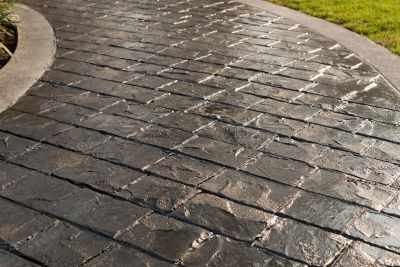
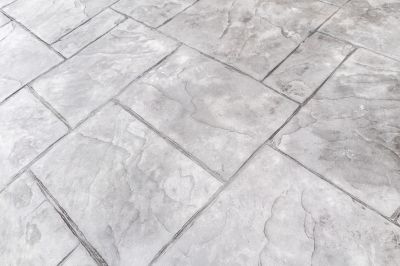
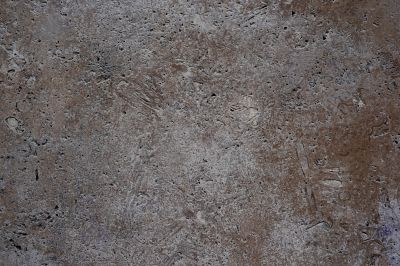
When people search for information on stamped concrete vs. pavers for commercial properties, they are often exploring options for enhancing outdoor spaces such as parking lots, walkways, patios, or entrance areas. These searches typically relate to projects that require durable, attractive surfaces capable of handling high foot or vehicle traffic. Property owners and managers may be considering these options to improve curb appeal, create a professional appearance, or increase the functionality of their outdoor areas. Understanding the differences between stamped concrete and pavers helps in making informed decisions that align with the specific needs of the property, whether it’s a retail center, office complex, or industrial site.
This comparison is relevant to a variety of property types, including retail stores, office parks, warehouses, and apartment complexes. Each of these properties often seeks a surface that balances appearance with longevity and ease of maintenance. For example, commercial parking lots need surfaces that can withstand constant vehicle movement, while walkways and outdoor gathering areas benefit from aesthetic appeal and safety. When considering stamped concrete vs. pavers, property owners often evaluate how each material aligns with their long-term plans, budget constraints, and maintenance expectations. Local contractors specializing in stamped concrete installation can help property owners understand the practical implications of each choice based on the property's specific use.
Problems that arise when choosing between stamped concrete and pavers often involve durability, maintenance, and installation considerations. For instance, stamped concrete can crack over time if not installed properly or if ground movement occurs, leading to potential repair costs. Pavers, on the other hand, are easier to replace individually but may require periodic re-leveling to prevent shifting or uneven surfaces. Property owners may also consider the aesthetic options available-such as patterns, colors, and textures-and how these align with the property's branding or design goals. Local service providers experienced in commercial stamped concrete installation can provide insights into how each material performs in high-traffic environments and help address any concerns about longevity or upkeep.
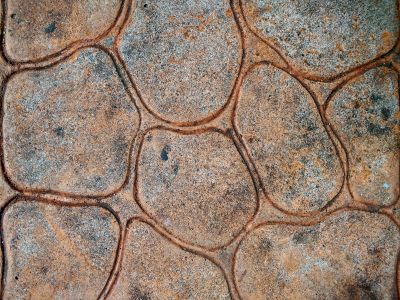
Ultimately, selecting between stamped concrete and pavers involves weighing the pros and cons in relation to the specific project requirements. While stamped concrete offers a seamless, customizable surface that can mimic natural stone or brick, pavers provide flexibility in repairs and design. Both options can be suitable for commercial properties, depending on factors like traffic load, budget, and desired appearance. Engaging with local contractors who specialize in stamped concrete installation ensures that property owners receive tailored advice and quality workmanship, helping them choose the surface that best supports their property's functionality and aesthetic goals.
Concrete stamping projects involve detailed patterning and coloring techniques that are similar to those used in stamped concrete for commercial properties, requiring skilled planning and surface preparation.
Paver installation services focus on precise layout and interlocking systems that are comparable to the planning and execution involved in paver projects for commercial landscapes.
Surface finishing and sealing are common skills in both stamped concrete and paver work, helping protect and enhance the durability of outdoor surfaces.
Site preparation and grading are essential steps shared across various hardscape projects, ensuring proper drainage and stability for concrete or paver installations.
Patterned concrete overlays and decorative surface treatments are related techniques that require similar tools and planning as stamped concrete for commercial applications.
Hardscape design consulting involves planning and layout skills applicable to both stamped concrete and paver projects, helping clients visualize finished outdoor spaces.
When evaluating service providers for stamped concrete vs. pavers for commercial properties, it is important to consider their experience with similar projects. Homeowners should inquire about the types of commercial installations a contractor has completed, focusing on projects that match the scope and complexity of their own needs. A contractor with a proven track record in stamped concrete or paver installations can offer insights into what works best for high-traffic areas, durability requirements, and aesthetic goals. Ensuring that the contractor has handled comparable projects helps build confidence in their ability to deliver quality results aligned with the specific demands of commercial properties.
Clear written expectations are essential when comparing local contractors for stamped concrete installation services. Homeowners should seek detailed proposals that outline the scope of work, materials to be used, and the timeline for completion. Well-defined expectations help prevent misunderstandings and ensure that both parties are aligned on project goals. It is also beneficial to review any documentation related to project specifications, warranties, or maintenance recommendations. Clear communication about what the project entails allows homeowners to make informed decisions and select a contractor who prioritizes transparency and professionalism.
Reputable references and effective communication are key factors when choosing a contractor for stamped concrete or paver work. Homeowners should ask service providers for references from previous commercial clients and follow up to learn about their experiences. A contractor’s ability to clearly explain project details, listen to concerns, and provide updates throughout the process reflects their professionalism and commitment to client satisfaction. Good communication fosters a smoother project experience and helps ensure that expectations are met or exceeded. By prioritizing contractors with strong references and open lines of communication, property owners can find local pros capable of managing the complexities of commercial stamped concrete installation services effectively.
Property owners often search for stamped concrete vs. pavers for commercial properties: pros and cons when they are planning practical projects around their homes and businesses. Local pros provide Commercial Stamped Concrete Installation services for everyday jobs and straightforward project options.
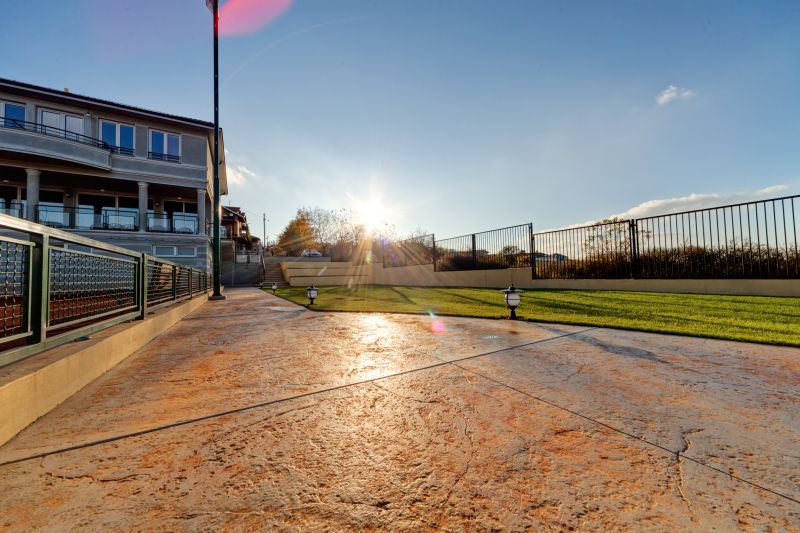
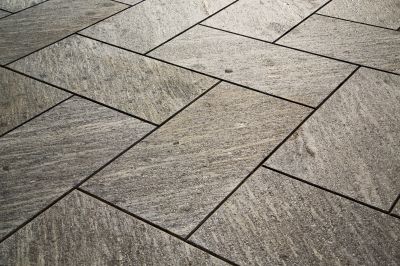
When considering stamped concrete versus pavers for a commercial property, property owners often evaluate factors like durability, appearance, and maintenance needs. For busy areas such as parking lots, walkways, or outdoor patios, many look up these options to understand which material can withstand frequent use and heavy traffic while maintaining an attractive look. Local contractors specializing in stamped concrete installation can provide insights into how this material offers a seamless, customizable surface that can mimic natural stone or brick, making it a popular choice for businesses aiming for a polished, cohesive appearance. Conversely, pavers are known for their versatility and ease of repair, allowing property owners to replace individual units if damage occurs, which can be advantageous for areas prone to shifting or cracking.
Property owners often consider the long-term costs and practicality when comparing stamped concrete and pavers. For high-traffic commercial spaces, local service providers can highlight how stamped concrete typically offers a more uniform surface that resists weed growth and is easier to clean, reducing ongoing maintenance. On the other hand, pavers may appeal for their aesthetic flexibility and ability to accommodate ground movement without cracking, though they might require periodic re-leveling. Understanding these pros and cons helps property owners make informed decisions that align with their operational needs, and consulting with local contractors can ensure the chosen surface enhances safety, functionality, and curb appeal for the long term.
What are the main durability differences between stamped concrete and pavers for commercial properties? Local contractors can provide insights into how stamped concrete typically offers a seamless surface with good durability when properly installed, while pavers are often more resistant to shifting and cracking due to their individual units.
How do maintenance requirements compare between stamped concrete and pavers? Service providers note that stamped concrete may require periodic sealing to prevent surface damage, whereas pavers can be easier to maintain as individual units can be replaced if damaged.
Which option offers more design flexibility for commercial property landscapes? Local installation experts highlight that stamped concrete can mimic various textures and patterns, while pavers come in a wide range of shapes, colors, and arrangements, providing diverse aesthetic options.
Are there differences in installation complexity between stamped concrete and pavers? Commercial concrete installation professionals explain that stamped concrete typically involves a quicker pour and stamp process, whereas paver installation is more labor-intensive due to the precise placement of individual units.
What are the typical slip resistance considerations for stamped concrete versus pavers? Local service providers can advise that pavers generally offer better slip resistance because of their textured surface, while stamped concrete may need additional treatments to improve traction in commercial settings.
Assessing durability needs - Property owners can evaluate whether stamped concrete or pavers will withstand foot traffic and vehicle loads for their specific commercial space, helping them choose the best option with the help of nearby contractors.
Considering aesthetic goals - Business owners can explore design possibilities and color options offered by local service providers to match their branding or landscape vision using stamped concrete or pavers.
Planning for maintenance - Property managers can determine which surface type requires less upkeep over time, guiding decisions on installation services that align with their maintenance capabilities.
Matching project budgets and timelines - Decision-makers can compare the installation processes of stamped concrete versus pavers to select the solution that fits their project scope, with local contractors providing practical insights.
If you are thinking about stamped concrete vs. pavers for commercial properties: pros and cons for a property, this guide is meant to help you understand this topic, the typical project types, and how different options might fit your plans.
When you are ready, you can use the quote form on this page to share a few details about your project. From there, local pros can review the basics and follow up with options that match what you have in mind.