Colored Concrete Walls vs. Traditional Concrete Finishes
People seeking concrete wall finishing often want durable, attractive surfaces; local contractors can help choose and apply colored concrete walls or traditional finishes to meet their needs.
Visitors exploring the differences between colored concrete walls and traditional concrete finishes are in the right place. Property owners in the area often consider this topic when looking to enhance the aesthetic appeal and durability of their outdoor spaces or building exteriors. Whether aiming for a bold, vibrant look or a more subtle, classic appearance, understanding the practical benefits of each option can help guide informed decisions. Local contractors who specialize in concrete wall finishing services are equipped to bring these ideas to life, ensuring that the chosen style aligns with the property's overall design goals.
As property owners weigh their options, factors like visual impact, maintenance needs, and long-term performance come into play. Colored concrete walls provide an opportunity for customization, offering a wide spectrum of hues and finishes that can complement existing features. Traditional finishes, on the other hand, often deliver a timeless, understated look with fewer concerns about color fading over time. For those interested in exploring these options further, local service providers can offer insights into the best techniques and materials to achieve the desired outcome, helping to ensure the finished project meets both aesthetic and practical expectations.
- Concrete wall finishing services are often needed for projects requiring a polished, durable surface, with local contractors skilled in both colored concrete walls and traditional finishes. When homeowners want to add vibrant, customized color effects to their concrete walls, local pros utilize specialized staining and coloring techniques. For those seeking a classic, seamless look, traditional concrete finishes are handled with precision grinding and plain sealing methods by experienced service providers. Clients considering colored concrete walls versus traditional finishes can rely on local contractors to recommend the best approach based on design goals and site conditions. Whether opting for bold color or a simple finish, local pros provide expert application to achieve the desired aesthetic and durability.
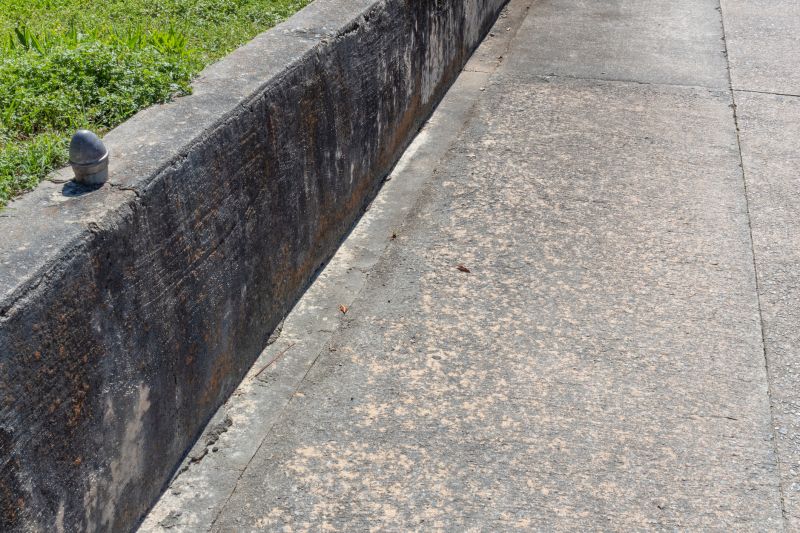
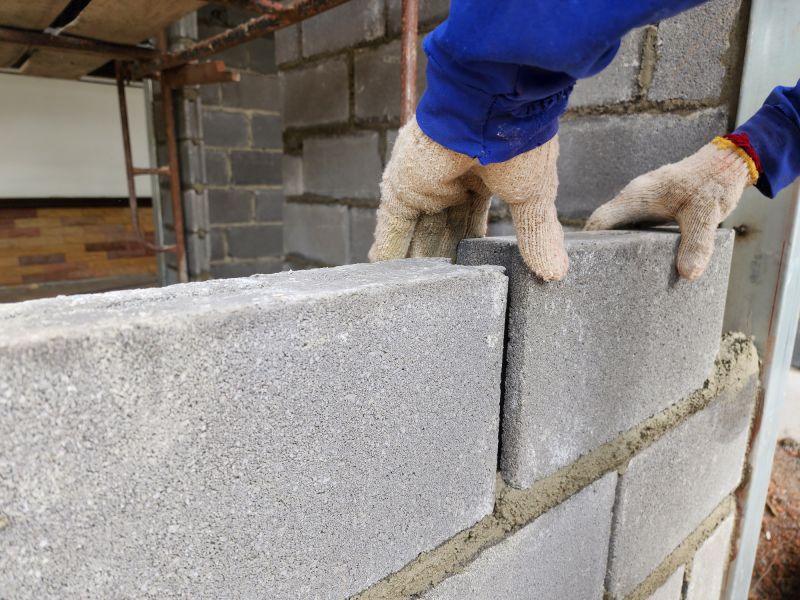
When homeowners search for information on colored concrete walls versus traditional concrete finishes, they are often trying to understand the visual and functional differences between these options. Colored concrete walls involve adding pigments during the mixing process or applying stains afterward to achieve a specific hue, offering a more customized and vibrant appearance. Traditional concrete finishes, on the other hand, typically focus on the natural look of concrete, with surface treatments like stamping, polishing, or plain textures that highlight the material’s raw qualities. People exploring this topic usually want to know how each option impacts the overall aesthetic of their property and what kind of maintenance or durability considerations are involved.
This comparison is particularly relevant for property owners planning new construction, renovations, or decorative upgrades for outdoor spaces such as patios, retaining walls, or boundary fences. Problems often associated with traditional finishes include a more subdued or utilitarian look that might not stand out, whereas colored concrete walls can add a distinctive design element. Conversely, some may worry about color fading or the complexity of maintenance with colored finishes. These considerations tie into project plans that aim to enhance curb appeal, create a cohesive outdoor design, or improve privacy and security with durable, visually appealing walls. Local contractors who specialize in concrete wall finishing can help navigate these choices, offering insights into which approach best fits the property’s style and functional needs.
The types of properties that typically feature colored concrete walls or traditional finishes vary widely. Residential homes often incorporate colored concrete for decorative retaining walls, garden borders, or accent features, seeking a more personalized look. Commercial properties and public spaces may favor traditional finishes for their straightforward, cost-effective appeal, especially in high-traffic areas where durability is a priority. Industrial sites or landscaping projects might blend both styles, using colored finishes for aesthetic accents alongside more utilitarian traditional surfaces. Understanding the specific requirements of each property type helps homeowners and property managers decide whether to opt for the vibrant, customizable options of colored concrete or the classic, understated appeal of traditional finishes.
Choosing between colored concrete walls and traditional concrete finishes ultimately depends on the desired appearance, budget considerations, and the property's overall style. Local concrete wall finishing service providers can assist in making these decisions by providing expert advice tailored to the specific project. They can help evaluate the property's environment, discuss the long-term maintenance implications, and recommend the most suitable finish to meet aesthetic and functional goals. Whether aiming for a bold statement or a simple, durable surface, connecting with experienced local contractors ensures that the finished project aligns with the homeowner’s vision while benefiting from professional craftsmanship.
Stamped concrete patios - these projects involve decorative finishes that require similar planning and surface preparation skills as colored concrete walls versus traditional finishes, with local contractors able to customize patterns and colors.
Interior polished concrete floors - achieving a smooth, reflective surface involves techniques comparable to those used in decorative wall finishes, with local service providers offering expertise in color and texture options.
Concrete retaining walls - constructing durable retaining structures often involves planning and finishing techniques akin to colored concrete wall applications, with local pros capable of handling complex surface treatments.
Concrete driveway overlays - applying decorative overlays to existing concrete surfaces shares skills with colored concrete walls versus traditional finishes, including surface prep and coloring techniques, handled by local contractors.
Exterior stamped concrete walkways - creating textured, patterned walkways involves similar surface finishing skills as decorative wall projects, with local pros offering various coloring and pattern options.
Decorative concrete veneer installations - these projects require precise surface preparation and finishing techniques comparable to colored concrete wall applications, with local service providers experienced in decorative overlays.
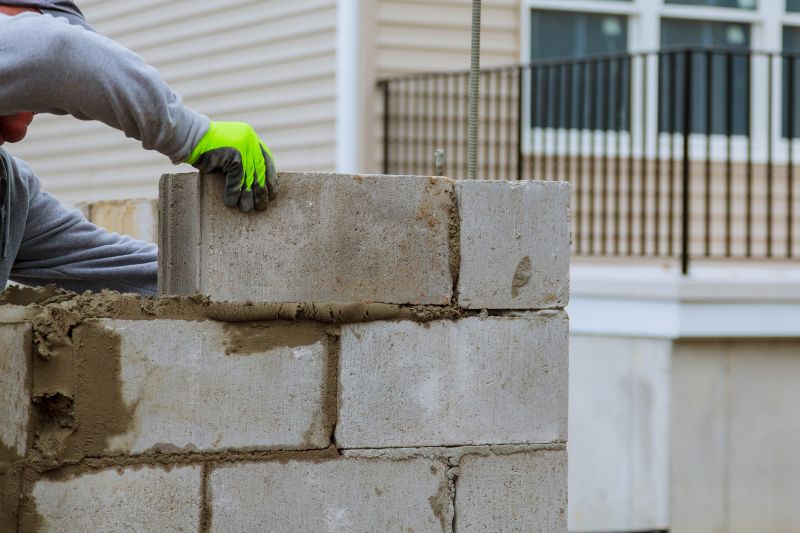
When evaluating service providers for concrete wall finishing, it is important to consider their experience with similar projects, particularly those involving colored concrete walls versus traditional concrete finishes. Homeowners should inquire about the types of work the contractors have completed in the past and whether they have handled projects that require specific techniques or finishes similar to what is desired. An experienced contractor will be familiar with the unique challenges and best practices associated with different finishes, ensuring that the final result aligns with expectations and maintains durability over time.
Clear communication and well-defined written expectations are essential when comparing local contractors for concrete wall finishing services. Homeowners should seek providers who can articulate their process, materials, and finish options in straightforward terms, helping to avoid misunderstandings. Establishing detailed project scopes and understanding what is included in the service can lead to smoother collaboration and fewer surprises. Good communication also involves responsiveness and transparency, which can be gauged through initial interactions and the contractor’s willingness to address questions or concerns.
Reputable references and a history of quality work are key factors in selecting a reliable service provider. Homeowners are encouraged to ask for examples of completed projects or references from previous clients, especially those involving colored concrete walls or traditional finishes. This feedback can provide insight into the contractor’s craftsmanship and professionalism. Additionally, choosing a contractor known for clear communication, timely project completion, and attention to detail can lead to a more satisfying experience. When comparing local service providers, these qualities help ensure the project will be handled with expertise and care.
Property owners often search for colored concrete walls vs. traditional concrete finishes when they are planning practical projects around their homes and businesses. Local pros provide Concrete Wall Finishing services for everyday jobs and straightforward project options.
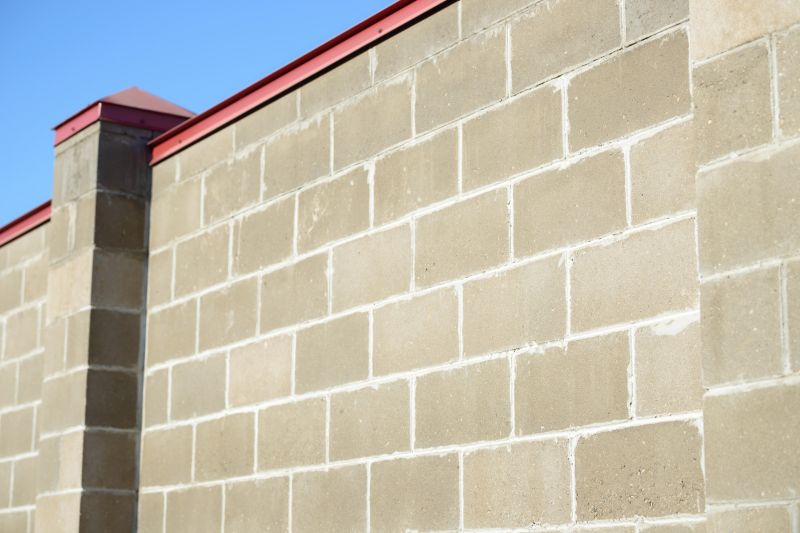
When considering concrete wall finishes for a property, many property owners in the area explore the differences between colored concrete walls and traditional concrete finishes. Colored concrete walls can add a vibrant, customized look to outdoor spaces, making them stand out with rich hues and unique designs. Homeowners often look into this option when they want to enhance curb appeal or create a distinctive backdrop for landscaping. On the other hand, traditional concrete finishes tend to focus on a more natural, understated appearance that emphasizes durability and simplicity. Local contractors who specialize in concrete wall finishing can help property owners weigh these options based on their aesthetic goals and practical needs, ensuring the chosen finish complements the overall style of the property.
Property owners might also seek out concrete wall finishing services from local service providers when they want to upgrade existing structures or build new features that blend functionality with visual appeal. Colored concrete walls offer an opportunity for creative expression, with many choices for colors and textures that can match personal preferences or architectural themes. Conversely, traditional finishes provide a classic, low-maintenance option that can be suitable for areas where a clean, straightforward look is desired. Local contractors experienced in these finishes can guide property owners through the decision-making process, helping them select the right approach to meet both design aspirations and practical requirements.
What are the main differences between colored concrete walls and traditional concrete finishes? Colored concrete walls incorporate pigments into the concrete for a vibrant or subtle hue, while traditional finishes typically involve plain or textured surfaces without added color. Local contractors can help determine which option best suits the aesthetic and durability needs of a project.
Are colored concrete walls more durable than traditional concrete finishes? Both options can be durable, but colored concrete walls often require proper sealing to maintain their appearance. Service providers can advise on the best finishing techniques to enhance longevity regardless of the style chosen.
Can colored concrete walls be customized to match specific design preferences? Yes, colored concrete can be customized with a wide range of hues and effects, allowing for tailored designs. Local pros can assist with color selection and application methods to achieve desired visual results.
What are the typical applications for colored concrete walls versus traditional finishes? Colored concrete walls are often used for decorative features, accent walls, or aesthetic fencing, while traditional finishes are common for structural walls or utilitarian surfaces. Service providers can recommend suitable finishes based on the project’s purpose.
How do maintenance needs compare between colored concrete walls and traditional finishes? Both require regular cleaning and sealing to preserve their appearance, but colored concrete may show stains or fading more prominently if not properly maintained. Local contractors can provide guidance on ongoing care for each finish type.
Color selection options - Exploring different colors for concrete walls can add vibrant personality to outdoor spaces, and local contractors can help choose the best shades for specific design goals.
Finish texture choices - Deciding between smooth, stamped, or textured finishes allows property owners to customize the look of traditional or colored concrete walls for aesthetic appeal.
Durability considerations - Local service providers can advise on the durability of colored concrete versus traditional finishes based on climate and usage, ensuring long-lasting results.
Design integration ideas - Incorporating colored concrete walls into landscape or architectural plans can enhance curb appeal, with local pros helping to realize cohesive design visions.
If you are thinking about colored concrete walls vs. traditional concrete finishes for a property, this guide is meant to help you understand this topic, the typical project types, and how different options might fit your plans.
When you are ready, you can use the quote form on this page to share a few details about your project. From there, local pros can review the basics and follow up with options that match what you have in mind.